Unraveling a Disturbing Tale: A Teen’s Harrowing Journey Through Neglect and Exploitation
In a world where the innocence of youth should be protected, stories of neglect and exploitation often shatter that ideal. A recent courtroom narrative has emerged, detailing the harrowing experiences of a teenager who faced unimaginable challenges at the hands of adoptive parents accused of severe neglect and forced labor. This chilling testimony not only highlights the urgent need for reform in the adoption and foster care systems but also sheds light on the darker aspects of these institutions, which are meant to provide safety and nurturing.
The Tale Begins: A Glimpse into the Teen’s Life
At the heart of this story is a young teenager named Alex (a pseudonym for anonymity). Alex’s journey began in the foster care system, where he faced instability and emotional turmoil. After years of bouncing from one foster home to another, the hope of a permanent family seemed finally within reach when he was adopted by a couple who appeared caring and supportive.
However, as time passed, it became clear that the facade of a loving home was just that—a facade. Alex’s adoptive parents, whom we will refer to as Mr. and Mrs. Smith, quickly revealed their true colors. What started as a seemingly normal family life devolved into a nightmare of neglect and exploitation.
Neglect: A Silent Struggle
Neglect is often insidious; it creeps in slowly, making it difficult for victims to recognize the severity of their situation. For Alex, this meant being deprived of basic necessities. The Smiths, who presented themselves as devoted parents, often left Alex without adequate food, clothing, or medical care.
- Food Insecurity: Alex frequently went hungry, with meals often being rationed or entirely skipped. This deprivation not only affected his physical health but also took a toll on his mental well-being.
- Lack of Medical Care: When Alex fell ill or sustained injuries, the Smiths would dismiss his concerns, often refusing to seek medical attention. This neglect led to long-term health issues that could have been easily addressed.
The emotional neglect was just as damaging. Alex often felt invisible, as if his needs and feelings were irrelevant to his adoptive parents. This sense of isolation can lead to severe psychological consequences, including depression and anxiety, which are often exacerbated by the trauma of previous foster care experiences.
Exploitation: Forced Labor and Beyond
As if the neglect weren’t enough, Alex’s situation took a turn for the worse when he was forced into labor. The Smiths viewed Alex not as a child in need of care but as a source of free labor. He was made to perform strenuous household chores, outside work, and even run errands for their personal businesses, all without compensation.
- Long Hours: Alex was often required to work from morning until night, leaving little time for school or leisure activities.
- Isolation from Peers: The demands placed on him meant that he couldn’t engage with friends or participate in extracurricular activities, further isolating him from the normal experiences of adolescence.
This exploitation is not merely a personal tragedy; it reflects systemic issues within the foster care system. The lack of oversight and accountability for adoptive parents can lead to situations where vulnerable youths are subjected to labor without any recourse.
The Courtroom: A Turning Point
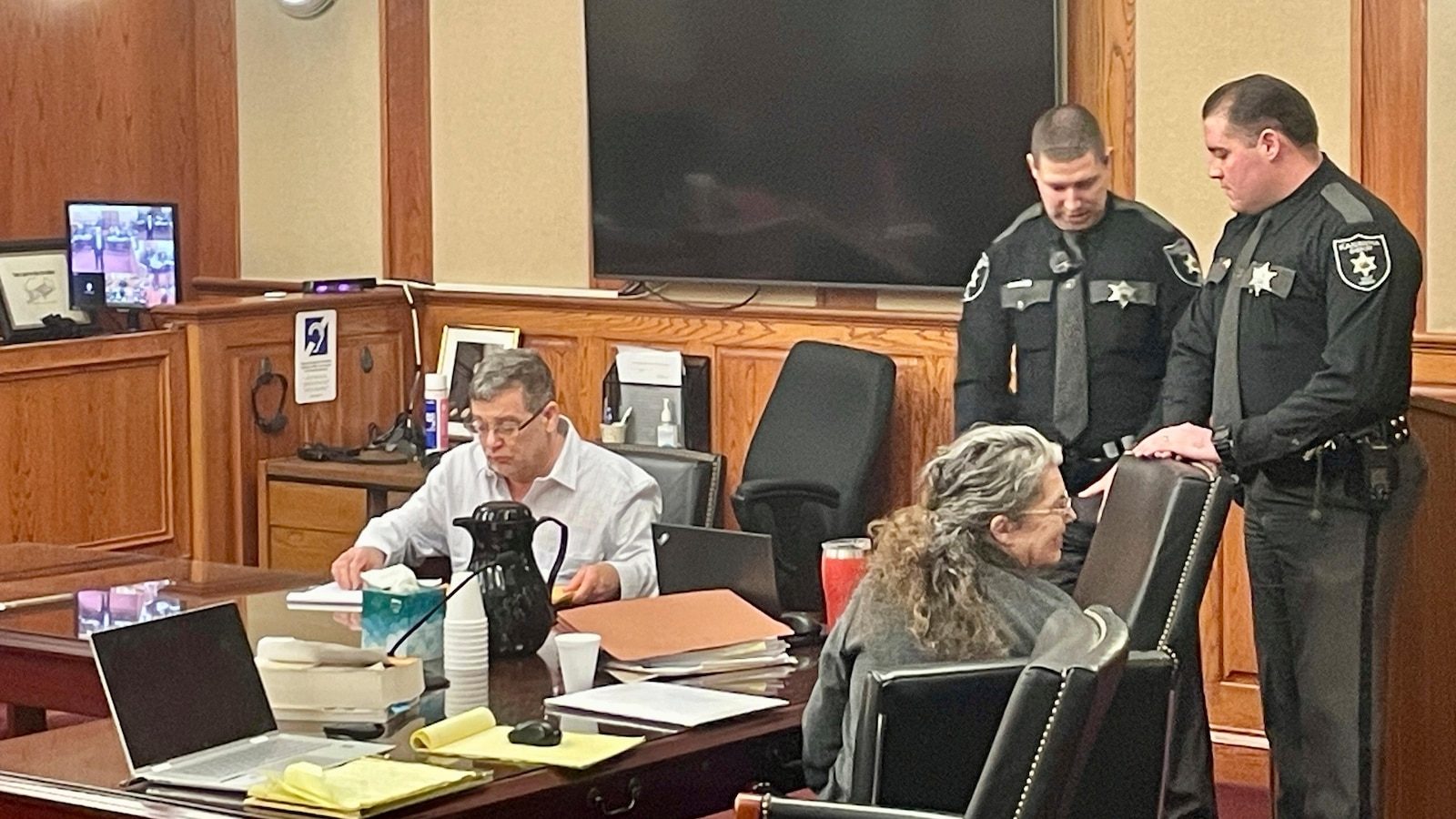
Eventually, Alex’s ordeal came to light when he found the courage to speak out. During a court hearing aimed at reviewing the Smiths’ adoptive status, Alex provided a poignant testimony detailing his experiences. This moment was a turning point, not only for him but for all those who have suffered in silence. His words echoed the struggles faced by many in the foster care system, igniting a conversation about the urgent need for reform.
In his testimony, Alex described how he had felt trapped and powerless, fearing retaliation from the Smiths if he spoke out. The courage it took for him to stand before the court and share his story cannot be understated. It serves as a reminder that many youths in similar situations may feel paralyzed by fear, unable to seek help.
The Call for Reform
Alex’s story is a stark reminder of the flaws within the foster care and adoption systems. Advocates for reform stress the need for better monitoring and accountability of adoptive parents. Some key areas for reform include:
- Regular Check-Ins: Implementing mandatory regular home visits by social workers to ensure the well-being of children in adoptive homes.
- Education and Resources for Adoptive Parents: Providing training and resources to help adoptive parents understand the challenges faced by children in the system.
- Support Networks: Creating robust support networks for both children and adoptive families, ensuring that parents have access to counseling and resources to address their children’s needs.
Furthermore, there should be strict penalties for those who exploit children, ensuring that the safety and dignity of the youth are prioritized over the interests of negligent or abusive adults.
Hope and Healing
While Alex’s journey has been fraught with pain and suffering, it is also a testament to resilience and hope. Since coming forward, he has received support from advocacy groups, counseling services, and a new foster family that provides the stability and love he desperately needed. His story has inspired others to speak out, creating a ripple effect in the community that emphasizes the importance of listening to the voices of vulnerable youths.
In conclusion, the tale of Alex is not just about one teenager’s harrowing journey through neglect and exploitation; it is a call to action for society. We must advocate for reform in the foster care system to ensure that no child has to endure what Alex went through. By raising awareness and pushing for systemic change, we can strive toward a future where every child has the opportunity to thrive in a safe and loving environment.
As we continue to unravel these disturbing tales, let us remember that change is possible. It begins with us—our willingness to listen, to advocate, and to act.
See more ABC News Feed