Investigating Claims: The Truth Behind Tesla Vandalism Allegations
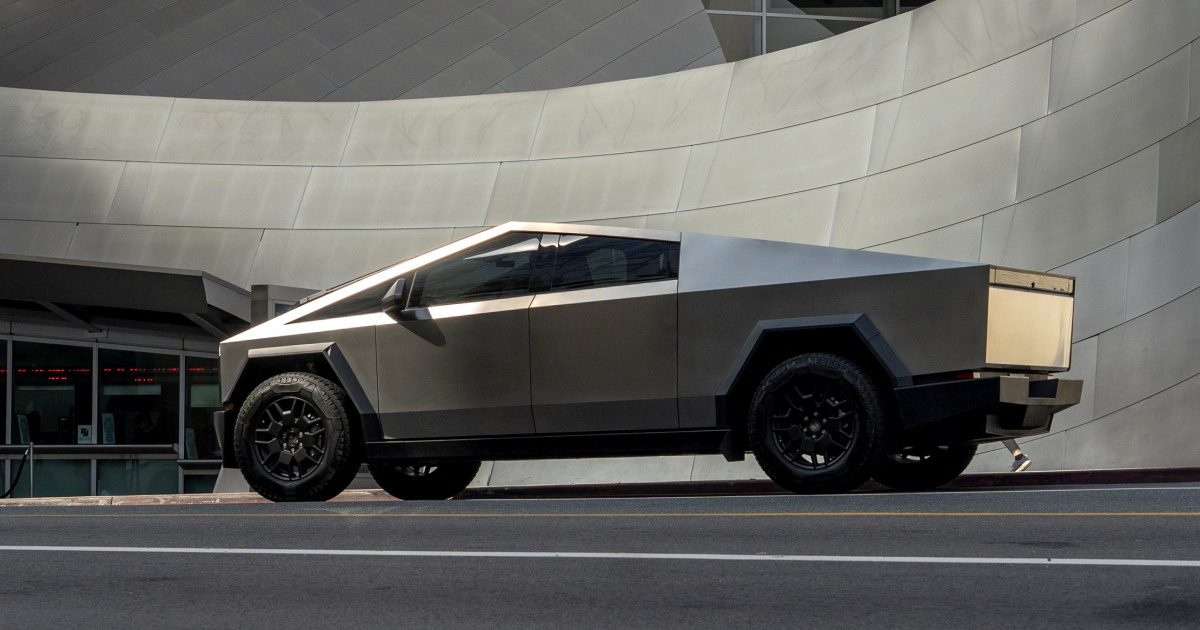
In recent months, allegations of coordinated vandalism targeting Tesla vehicles have emerged, drawing attention from both the media and public figures. High-profile statements from Elon Musk and Donald Trump have fueled discussions about the potential threats facing Tesla’s reputation and its innovative technology. However, a closer examination reveals a lack of substantial evidence supporting these claims. This article seeks to unpack the allegations, explore the context surrounding them, and analyze public perceptions that have emerged as a result.
The Seeds of Allegation
The allegations of vandalism against Tesla vehicles began gaining traction when Elon Musk, the company’s CEO, took to social media to express concerns about a supposed wave of attacks targeting Tesla cars. His statements were echoed by Donald Trump, who suggested that these incidents might be part of a larger, organized effort against the electric vehicle manufacturer. The claims quickly caught the public’s attention, leading to a surge in media coverage and online discussions.
However, despite the urgency of these claims, investigations into the matter have not yielded any concrete evidence of a coordinated effort to vandalize Tesla vehicles. Local law enforcement agencies, as well as independent investigators, have examined reported incidents of vandalism, yet they have found no patterns or connections that would suggest a concerted attack on the brand.
Understanding Vandalism in Context
Vandalism is not a new phenomenon, and it often occurs for various reasons, including personal grievances, political statements, or even random acts of mischief. In the case of Tesla, the company has made significant strides in the automotive industry, becoming synonymous with innovation and environmental consciousness. This visibility can make it a target for individuals who may oppose its mission or simply wish to express dissent.
Moreover, the rise of electric vehicles (EVs) has sparked debates about the future of traditional combustion engines and the automotive industry as a whole. As Tesla continues to champion this shift, some individuals may resort to vandalism as a misguided form of protest. Nevertheless, this does not imply that such actions are part of a larger, organized conspiracy against the company.
Public Perception and Its Implications
The allegations of vandalism have significantly impacted public perception of Tesla. Statements from influential figures have the power to shape narratives, and in this case, many consumers are left questioning the safety and security of their Tesla vehicles. This is particularly concerning for a brand that has cultivated a strong image of sustainability and technological advancement.
- Consumer Trust: Public trust is paramount for any brand, especially one that has positioned itself as a leader in the EV market. The vandalism allegations could lead potential buyers to hesitate before purchasing a Tesla, fearing for their investment and safety.
- Brand Image: The negative publicity surrounding the allegations could tarnish Tesla’s carefully crafted image. It raises questions about the company’s ability to protect its customers and maintain its reputation in a competitive market.
- Investor Concerns: Investors are keenly aware of how public perception can influence a company’s stock price. If the narrative of organized vandalism continues to spread, it could impact Tesla’s market performance.
Investigative Findings
Despite the high-profile nature of the allegations, investigations have consistently shown no evidence of coordinated vandalism against Tesla. Law enforcement agencies across various regions have reported that many of the incidents categorized as vandalism were isolated and unrelated to one another. In some cases, investigations concluded that the damage was not specifically targeted towards Tesla but rather occurred in areas where multiple vehicles were parked.
Experts in criminology and sociology point out that while vandalism against vehicles can happen, the idea of a widespread, organized campaign against a single brand is far-fetched without substantial evidence. The absence of arrests or leads connecting multiple incidents to a single entity further supports this view.
Impacts on Tesla’s Future
The current narrative around vandalism could lead Tesla to implement additional security measures, ensuring that customers feel safe and valued. Some potential actions may include:
- Enhanced Security Features: Tesla could introduce more advanced security features for its vehicles, such as improved surveillance systems or alert mechanisms that notify owners of any suspicious activity.
- Public Awareness Campaigns: To combat the negative perception, Tesla might consider launching campaigns to emphasize community engagement and the positive impact of electric vehicles on the environment.
- Collaboration with Law Enforcement: Strengthening partnerships with local law enforcement could help deter vandalism and reassure the public about their safety while driving a Tesla.
Conclusion: A Call for Rational Discourse
The allegations of coordinated vandalism against Tesla vehicles have captured public attention, but the lack of evidence necessitates a rational discourse surrounding the issue. It is essential for both consumers and investors to remain grounded in facts rather than sensationalized claims. As Tesla continues to navigate challenges in a rapidly evolving automotive landscape, the focus should remain on innovation and progress rather than unfounded fears of coordinated attacks.
Ultimately, while vandalism remains an unfortunate reality in many urban environments, it is crucial to differentiate between isolated incidents and broader conspiratorial narratives. As the automotive world embraces the future of electric vehicles, let us work towards constructive discussions that promote understanding and foster a safer environment for all.
See more ABC News Feed