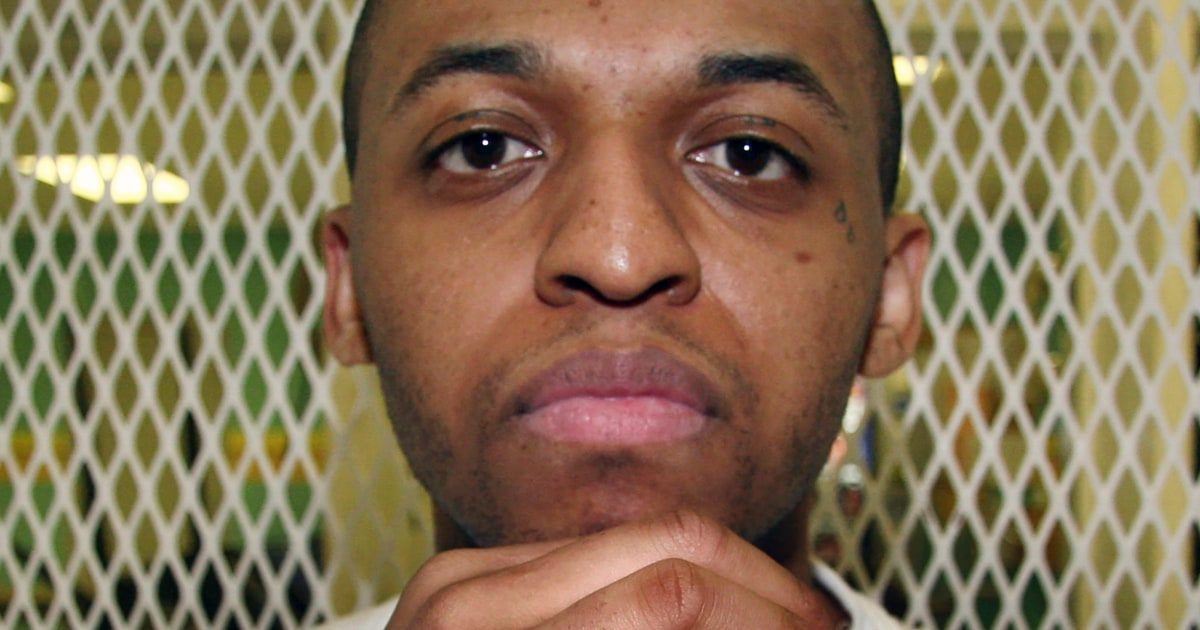
A Grim Justice: The Final Hours of a Texas Man Facing Execution for a Church Murder
As the clock ticks down, a Texas man prepares to face the ultimate consequence for his shocking crime—a pastor’s murder within the sacred walls of a church. This case raises profound questions about justice, morality, and the impact of violence in places of worship. The story of this tragic event unfolds not only as a tale of personal tragedy but as a reflection of deeper societal issues that challenge our understanding of justice and redemption.
The Crime That Shook a Community
In a quiet Texas town, the unthinkable happened: a pastor was murdered inside his own church. This crime, committed during what should have been a sanctified moment of worship, left the community reeling. The victim, Pastor John Thompson, was known for his dedication to his congregation and his tireless efforts to serve the community. His death sent shockwaves through the town, sparking outrage and fear.
The perpetrator, Marcus Johnson, had been a troubled individual with a history of violence and substance abuse. On that fateful day, he entered the church looking for help but instead found himself embroiled in a confrontation that would lead to a tragic end. Witnesses reported that the interaction escalated quickly, culminating in Johnson taking the life of the pastor. The nature of the crime, committed in a place meant for peace and reflection, heightened the emotional response of the community.
The Path to Justice
Following the murder, the legal process moved swiftly. Johnson was arrested and charged with capital murder. The details of the case revealed a complex interplay of mental health issues, addiction struggles, and a lack of support systems that could have altered the course of events. Throughout the trial, the prosecution painted a damning picture of Johnson’s actions, while the defense struggled to present a narrative that might elicit sympathy.
The jury ultimately found Johnson guilty, and the judge sentenced him to death. As his execution date approached, the case drew attention not only for the crime itself but also for the broader implications regarding the death penalty, mental health, and rehabilitation.
A Community in Mourning
The aftermath of the murder left the community grappling with profound grief and anger. Church members held vigils to honor Pastor Thompson’s memory, while also seeking solace and understanding in their faith. The congregation rallied together, emphasizing the importance of forgiveness and healing, even in the face of such a horrific act.
- Vigils: Community members gathered to remember Pastor Thompson, lighting candles and sharing stories of his kindness.
- Support Groups: Many in the community sought counseling and support to process their grief.
- Fundraisers: Initiatives were launched to support the Thompson family and to raise awareness about mental health issues.
This tragic event also sparked discussions about violence in places of worship. Churches, traditionally seen as havens of peace, are not immune to the issues that plague society. The incident prompted a reevaluation of security measures in houses of worship across the nation, as leaders sought to protect their congregations while maintaining the welcoming atmosphere that is central to their mission.
The Final Hours: A Glimpse into Johnson’s Mindset
As execution day loomed near, the media turned its focus to Johnson, delving into his background and psyche. Interviews with family members revealed a complex figure—a man who had loved deeply but had also struggled mightily with his demons.
In his final hours, Johnson expressed remorse for his actions. His last statements reflected a sense of regret, acknowledging the pain he had caused not only to the Thompson family but to the community at large. He spoke of his struggles with addiction and mental health, highlighting the need for better support systems for individuals facing similar challenges. This moment of reflection raised questions about the effectiveness of the justice system in addressing the root causes of crime and whether true justice can ever be achieved through execution.
Morality and Justice: A Complex Landscape
The case of Marcus Johnson forces us to confront difficult questions about morality and justice. While many argue that his actions warrant the death penalty, others advocate for a more rehabilitative approach to justice. The conversation surrounding the death penalty is fraught with ethical dilemmas, including:
- Deterrence: Does the death penalty truly deter crime, or does it simply serve as a form of retribution?
- Mental Health: How do we address the mental health struggles that often underlie violent crimes?
- Redemption: Is it possible for individuals who commit heinous acts to find redemption, and should the justice system allow for that possibility?
As Johnson’s execution approached, advocacy groups rallied to raise awareness about the need for mental health resources, arguing that addressing these issues could prevent future tragedies. They highlighted stories of individuals who had turned their lives around, emphasizing the importance of second chances and the human capacity for change.
The Impact on Faith Communities
This tragic case has left an indelible mark on faith communities, pushing them to confront uncomfortable realities. Many churches are now reexamining their roles as community support systems and the ways they can better serve those in need. This includes:
- Increased Support: Churches are expanding outreach programs to provide mental health resources and addiction counseling.
- Community Engagement: Faith leaders are encouraging open discussions about violence, mental health, and forgiveness.
- Safety Measures: Many congregations are exploring ways to enhance safety without compromising their welcoming nature.
The tragedy has also sparked interfaith dialogues, as different religious communities come together to address the impact of violence in society. These conversations are vital as they foster understanding and solidarity, emphasizing that places of worship should remain sanctuaries of peace.
Conclusion: A Call for Reflection
As the final hours of Marcus Johnson draw near, his case serves as a reminder of the complexities surrounding justice and morality. The story of a man facing execution for a church murder invites us to reflect on our own beliefs about punishment, rehabilitation, and the human capacity for change. It challenges us to consider how we can build a society that prioritizes understanding, compassion, and healing, even in the face of unimaginable tragedy.
The impact of this case will resonate far beyond the walls of the church where the crime took place. It will influence discussions about justice systems, mental health resources, and the role of faith communities in supporting those in need. In a world often marked by violence and division, the call for a more compassionate approach to justice has never been more urgent.
See more ABC News Feed