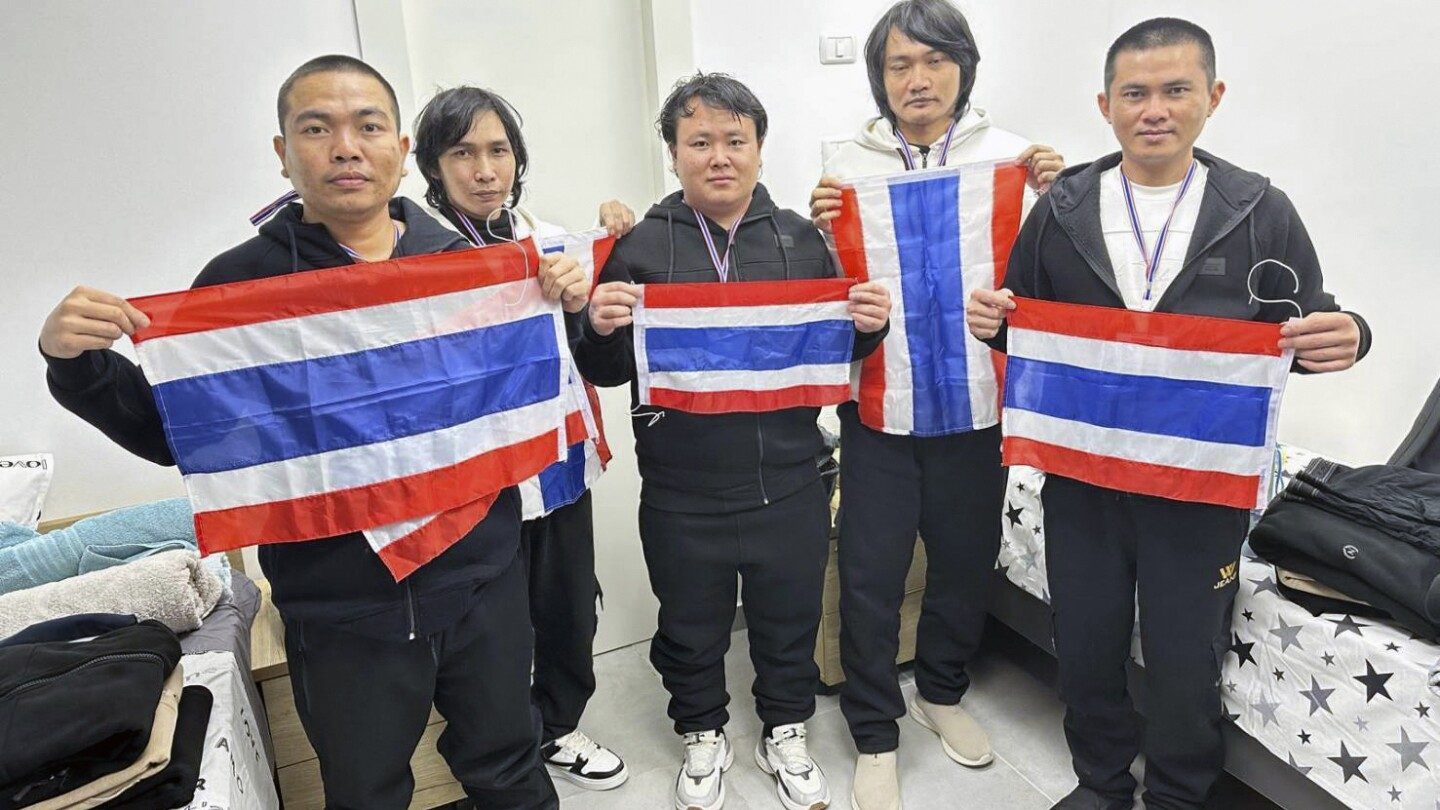
Thai Hostages Freed: Health Insights After 15 Months in Captivity
After an arduous 15 months spent in captivity, five Thai hostages have been freed, marking a significant milestone in a harrowing saga that captivated not only their families but the world at large. Their release has prompted a thorough assessment of their health by Israeli doctors, revealing both challenges and unexpected positives in their physical and mental well-being. This article delves into the insights gained from their health evaluations, exploring the broader implications of their ordeal and the ongoing process of recovery.
The Release: A Moment of Relief
The release of the Thai hostages came after extensive negotiations, which highlighted the complexities and high-stakes nature of international diplomacy. Families waited with bated breath for news, and when it arrived, it was met with tears of joy and relief. However, the journey back to life as they once knew it is just beginning. The psychological and physical toll of captivity runs deep, and understanding the extent of their health issues is crucial for their rehabilitation.
Health Assessments: What the Doctors Found
Upon their release, the five hostages underwent comprehensive medical evaluations. Israeli doctors, renowned for their expertise in trauma recovery, focused on both physical and mental health aspects. Here’s what they discovered:
- Physical Health: The hostages exhibited varying degrees of malnutrition and dehydration, common consequences of prolonged captivity. Some experienced muscle atrophy due to lack of movement, while others faced skin conditions resulting from unsanitary living conditions.
- Mental Health: Psychological evaluations revealed signs of post-traumatic stress disorder (PTSD), anxiety, and depression. The isolation and uncertainty experienced during captivity left indelible marks on their mental state.
- Surprising Resilience: Despite the trauma, doctors noted an unexpected level of psychological resilience in some hostages. This resilience can often be attributed to coping mechanisms developed during their time in captivity.
The Impact of Captivity on Mental Health
The mental health effects of captivity can be profound and long-lasting. Hostages often experience a range of emotions, from fear and anger to guilt and shame. Experts emphasize the importance of addressing these feelings through therapy and support systems. Here are some common psychological effects observed in former hostages:
- PTSD: Characterized by flashbacks, nightmares, and severe anxiety, PTSD is a common outcome for those who have endured traumatic experiences.
- Depression: Feelings of hopelessness and despair can stem from the prolonged isolation and trauma that hostages face.
- Survivor’s Guilt: Hostages may grapple with guilt over surviving when others did not, complicating their emotional recovery.
Physical Rehabilitation: The Road to Recovery
The physical rehabilitation of the Thai hostages is as crucial as their mental recovery. Here’s an overview of the steps involved in their physical healing:
- Nutritional Support: A tailored diet will be essential for regaining strength and restoring health. Nutritionists are working to create meal plans that address their specific deficiencies.
- Physical Therapy: To combat muscle atrophy and improve mobility, physical therapy sessions will be integral. These sessions focus on rebuilding strength and endurance.
- Regular Medical Check-ups: Ongoing medical evaluations are necessary to monitor their recovery progress and address any emerging health issues.
Emotional Support Systems: Family and Community
Beyond professional medical assistance, the role of family and community in the healing process cannot be overstated. Emotional support acts as a crucial pillar for recovery. Here are some ways families and communities can help:
- Open Communication: Encouraging open conversations about their experiences can help hostages process their trauma and feel less isolated.
- Creating Safe Spaces: Providing environments where they can express their feelings without judgment fosters healing.
- Encouraging Routine: Establishing a daily routine can give a sense of normalcy and stability, aiding in the transition back to everyday life.
Broader Implications: Understanding Trauma and Recovery
The situation of the Thai hostages has drawn attention to the broader issues surrounding trauma and recovery in hostage situations. It serves as a reminder of the importance of mental health awareness and the need for comprehensive support systems for victims of trauma. Here are some key takeaways:
- Increased Awareness: The plight of hostages often goes unnoticed. This incident highlights the need for more public discourse on the implications of captivity and the importance of mental health support.
- International Cooperation: The successful negotiation for their release underscores the importance of international cooperation in resolving hostage situations and ensuring the safety of individuals in conflict zones.
- Advocacy for Victims: Advocacy groups must continue to push for resources and support systems dedicated to helping victims of trauma reintegrate into society.
Conclusion: A Journey of Healing
The release of the Thai hostages is not the end of their journey but the beginning of a long process of healing and recovery. Insights gained from their health assessments underscore the challenges they face but also highlight the resilience of the human spirit. With the right support systems in place—medical, emotional, and community-based—the hostages can begin to reclaim their lives, transforming a deeply traumatic experience into a story of hope and recovery.
As they continue to heal, it is vital for society to remember their ordeal and advocate for the mental health support needed for all victims of trauma. Together, we can foster a world where healing is possible, no matter how deep the scars may be.
See more ABC News Feed