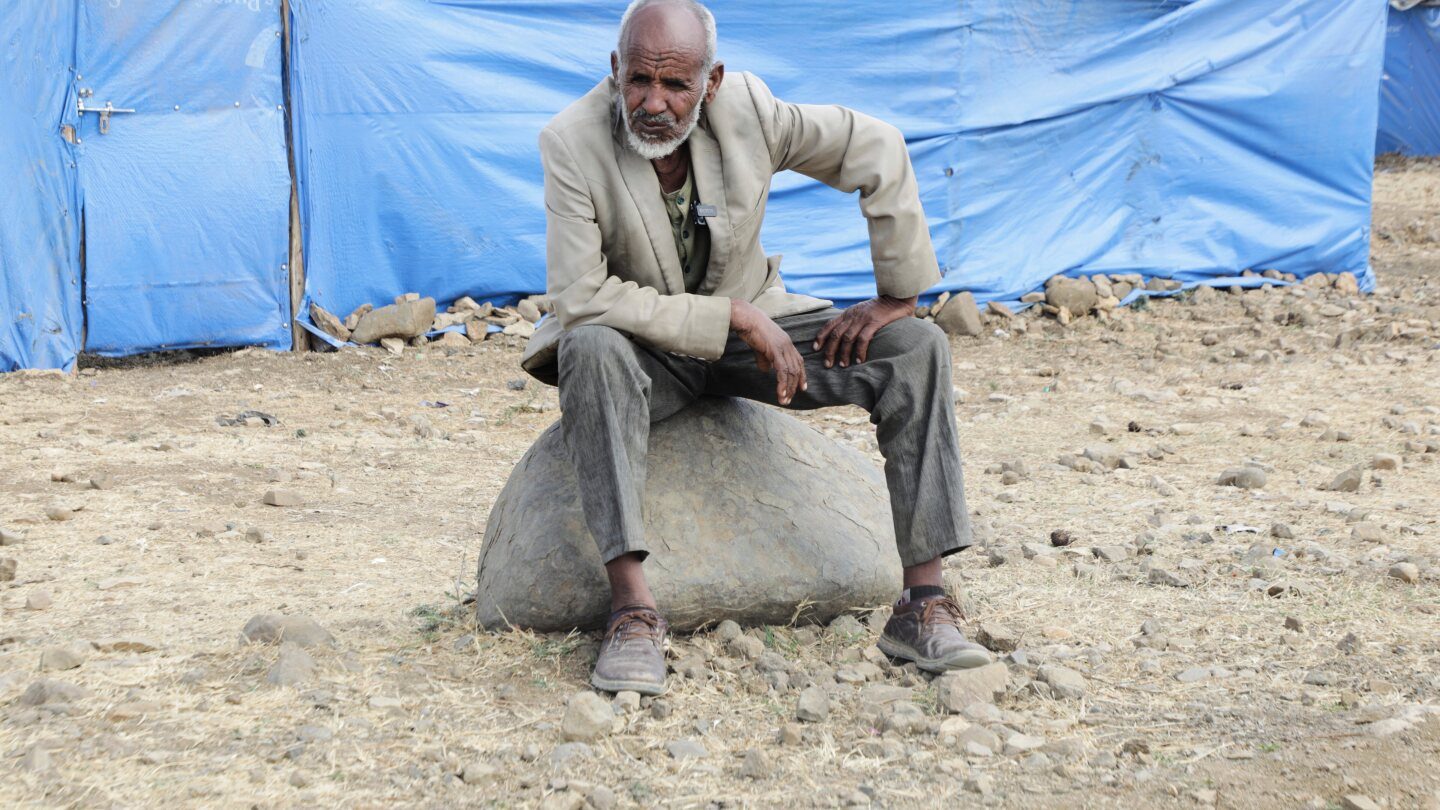
Silent Suffering: The Impact of US Aid Cuts on Tigray’s Fragile Future
As US aid dwindles, the Tigray region of Ethiopia faces an escalating humanitarian crisis, leaving its vulnerable population to confront dire challenges in silence. The ongoing conflict and resulting humanitarian fallout in Tigray have drawn significant international attention, yet as aid from the United States and other countries shrinks, the dire conditions on the ground are worsening. This article delves into the implications of these aid cuts and the urgent necessity for renewed international support.
The Current Humanitarian Landscape in Tigray
The Tigray region, once a vibrant part of Ethiopia, has been marred by conflict since late 2020. The Ethiopian federal government’s military offensive against the Tigray People’s Liberation Front (TPLF) led to a humanitarian crisis of unprecedented proportions. By 2022, the United Nations and various NGOs reported alarming statistics: around 5.5 million people, nearly the entire population of Tigray, were in need of humanitarian assistance. Food insecurity was rampant, with estimates indicating that over 2 million people faced severe hunger.
With the introduction of aid cuts from the US, a country that has historically been a significant donor, the situation has become increasingly dire. As the world grapples with multiple crises—from climate change to the COVID-19 pandemic—the focus on Tigray has waned, but the suffering has not. The humanitarian needs have only intensified, yet the response has diminished, leading to what can be described as silent suffering among the region’s inhabitants.
Consequences of Aid Cuts
The consequences of US aid cuts are multifaceted and severe:
- Increased Food Insecurity: With US aid significantly reduced, food distribution programs that many families rely on have been severely impacted. The World Food Programme has indicated that emergency food assistance has dropped dramatically, leaving communities vulnerable to famine and malnutrition.
- Healthcare Collapse: Many healthcare facilities in Tigray have been damaged or destroyed during the conflict, and those that remain operational are struggling due to a lack of medical supplies and personnel. Cuts in aid mean fewer resources for healthcare, exacerbating preventable diseases and maternal mortality rates.
- Displacement and Protection Issues: The conflict has led to mass displacement within Tigray. According to UN estimates, over 2 million people have been displaced, living in precarious conditions. Aid cuts hinder the ability to provide shelter, protection, and psychological support to those who have fled violence.
Voices from Tigray: Personal Accounts of Suffering
While statistics paint a grim picture, personal stories from the ground reveal the human side of this crisis. A mother from Tigray, who wishes to remain anonymous, shared her experience: “I used to have enough to feed my children. Now, I struggle to find even one meal a day. The aid that came before was a lifeline; without it, I don’t know how we’ll survive.”
Such accounts underscore the urgent need for international support. Vulnerable populations, particularly women and children, bear the brunt of these aid cuts. As families grapple with the loss of resources, the cycle of poverty and despair deepens, creating a pressing need for action.
The Role of International Support
While the US has historically provided substantial aid to Ethiopia, the recent cuts highlight a critical gap in international humanitarian response. The need for a renewed commitment from the global community cannot be overstated. Aid is not merely a stopgap; it is an essential component of recovery and stability. Here are some ways international support can make a difference:
- Reinstating Aid Programs: Immediate restoration of aid programs targeting food security, health, and protection can help mitigate the suffering of millions. Prioritizing these sectors can save lives and prevent further deterioration.
- Advocacy for Peace: International entities must exert pressure on both the Ethiopian government and TPLF to engage in dialogue and pursue peaceful resolutions. Stability is crucial for any long-term recovery.
- Support for Local Organizations: Local NGOs often have a better understanding of the community’s needs and can deliver aid more effectively. Funding and support for these organizations can help ensure that assistance reaches those in dire need.
The Path Forward: Hope Amidst Despair
Despite the overwhelming challenges, there are avenues for hope. The resilience of the Tigrayan people is profound. Many community members are finding innovative ways to cope, whether through local agriculture initiatives or community support networks. Moreover, international awareness of the situation in Tigray is slowly growing, with advocacy groups and activists raising their voices to bring attention to the plight of the region.
Furthermore, grassroots movements are gaining momentum, with citizens rallying for change and support. The potential for a coordinated effort to both raise awareness and mobilize resources exists. The global community can play a pivotal role in not only addressing immediate needs but also fostering a sustainable future for Tigray.
Conclusion: A Call to Action
The silent suffering of Tigray’s population amidst US aid cuts is a humanitarian crisis that demands immediate action. As the region grapples with the consequences of dwindling support, it is imperative for governments, NGOs, and individuals worldwide to come together and advocate for the vulnerable. By reinstating aid, supporting local initiatives, and pushing for lasting peace, the international community can help Tigray not only survive but thrive.
In the face of adversity, the resilience of the Tigrayan people shines through. Their struggle is a testament to the human spirit, and it is our collective responsibility to ensure that they are not left to suffer in silence. The time for action is now.
See more ABC News Feed