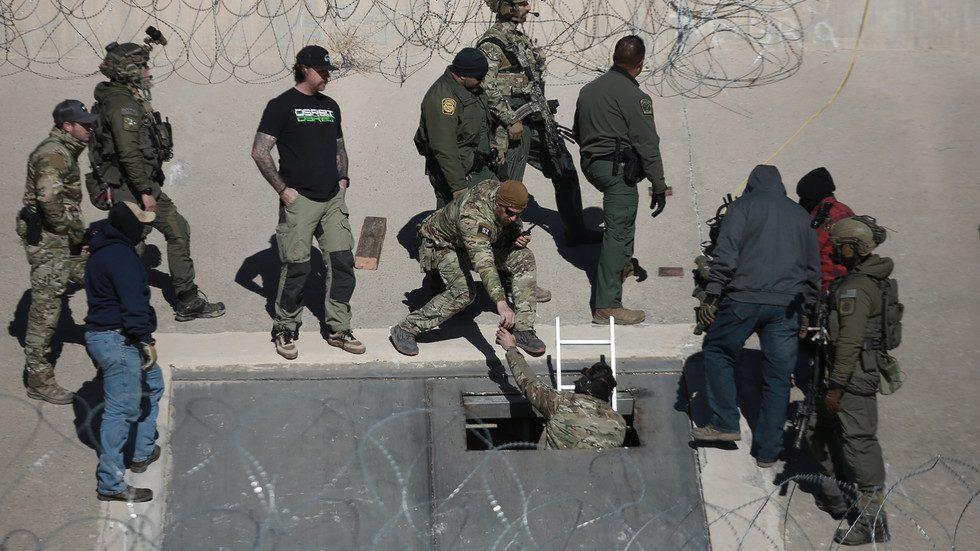
Mexico Moves to Secure TikTok-Linked Smuggling Tunnel to the U.S.
In a striking intersection of social media trends and real-world crime, Mexican authorities are moving decisively to seal a smuggling tunnel that has gained notoriety for its connections to TikTok. This development not only underscores the complexities of border security but also raises important questions about the influence of online platforms on illicit activities. The decision to secure this tunnel is part of a broader effort to combat drug trafficking and human smuggling, which have increasingly become intertwined with digital culture.
The Rise of TikTok and Its Unintended Consequences
TikTok, a platform that has quickly become a cultural phenomenon, allows users to share short videos, often featuring trends that can go viral. However, as its popularity has soared, so too has its potential for misuse. The smuggling tunnel in question reportedly gained attention as users showcased the tunnel’s existence through various TikTok videos, inadvertently glorifying and promoting illegal activities. This phenomenon is not unique to Mexico; it reflects a global trend where social media can inadvertently become a tool for criminal enterprises.
While TikTok is primarily a platform for entertainment, its reach has extended far beyond harmless fun. The app’s algorithm can amplify content that attracts viewers, sometimes leading to the promotion of dangerous or illegal behaviors. In this case, the smuggling tunnel, which connects Mexico to the United States, has become a point of fascination among users, leading to concerns about the normalization of such illicit activities.
The Smuggling Tunnel: A Brief Overview
The tunnel, which has been under scrutiny, is one of many that facilitate the illegal movement of goods and people across the U.S.-Mexico border. Over the years, authorities have discovered numerous tunnels used by drug cartels and human traffickers to bypass border security. These tunnels are often sophisticated, equipped with ventilation systems, rail tracks, and lighting, making them ideal for smuggling operations.
- Construction: Many tunnels are constructed with advanced engineering techniques, allowing them to evade detection.
- Purpose: While primarily used for drug trafficking, these tunnels can also be employed for human smuggling, highlighting the multifaceted nature of border crime.
- Detection: Authorities continually innovate in their methods for detecting these tunnels, but new ones are frequently discovered.
Mexico’s Response to the TikTok Phenomenon
Recognizing the potential dangers posed by the viral nature of TikTok, Mexican authorities have decided to take action. The sealing of the smuggling tunnel is part of a larger initiative to enhance border security and curb the influence of social media on criminal activities. This decision reflects a growing awareness of how platforms like TikTok can inadvertently promote illegal behavior and the importance of addressing such influences comprehensively.
Mexican officials have stated that their actions are not merely about sealing one tunnel but are indicative of a broader strategy to tackle organized crime. By addressing the issue at its roots, they aim to dismantle the networks that exploit social media to glorify smuggling activities. This proactive approach is essential in preventing the normalization of such activities, particularly among younger audiences who are heavily influenced by online trends.
Public Reaction and Awareness
The public’s reaction to the sealing of the tunnel has been mixed. On one hand, many citizens support the government’s effort to combat smuggling and organized crime. On the other hand, some express concern about the implications of social media censorship and the potential stifling of freedom of expression. This highlights a crucial debate about the balance between security and personal freedoms in the digital age.
Moreover, the situation has sparked discussions on the role of social media companies in regulating content that might promote illegal activities. As platforms like TikTok continue to grow, the responsibility of these companies in monitoring and managing content becomes increasingly significant. It raises questions about how they can create a safer environment for users while still allowing for creative expression.
Broader Implications for Border Security
The decision to secure the TikTok-linked smuggling tunnel has broader implications for border security and law enforcement strategies. It highlights the need for an integrated approach that combines physical security measures with efforts to understand and mitigate the influence of social media on criminal behavior.
- Collaboration: Increased collaboration between government agencies, social media platforms, and community organizations is essential in addressing these issues.
- Public Education: There is a need for public awareness campaigns that inform users about the potential consequences of promoting illegal activities online.
- Policy Development: Policymakers must develop frameworks that address the complexities of crime in the digital age while protecting civil liberties.
The Future of Smuggling in a Digital World
As the digital landscape continues to evolve, so will the methods employed by those involved in illegal activities. The sealing of the TikTok-linked smuggling tunnel is just one of many steps that authorities must take to adapt to the challenges posed by social media. Moving forward, it will be crucial to monitor how these platforms affect public perception and engagement with criminal activities.
Additionally, the ongoing dialogue about the intersection of technology and crime will shape future policies. As authorities seek to enhance border security, they must also consider the cultural shifts that come with digital platforms. Understanding how social media impacts behavior and perceptions will be vital in crafting effective strategies to combat smuggling and organized crime.
Conclusion
Mexico’s decisive move to secure the TikTok-linked smuggling tunnel underscores the complex interplay between social media trends and real-world crime. As authorities work to combat the challenges posed by organized crime, the role of platforms like TikTok cannot be overlooked. The situation serves as a reminder of the need for awareness, collaboration, and proactive measures to address the evolving landscape of crime in the digital age. Through continued vigilance and innovative strategies, it is possible to navigate the challenges and foster a safer environment for all.
See more ABC News Feed