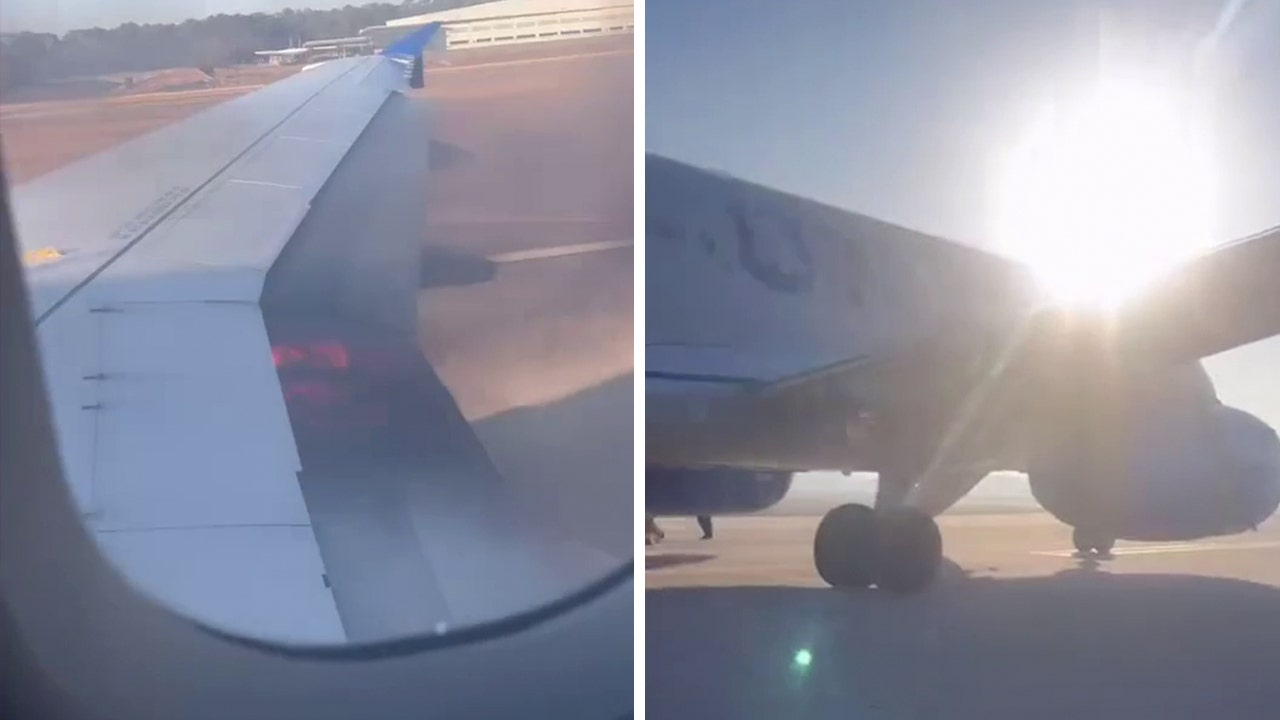
Dramatic Takeoff: United Airlines Flight Engulfed in Flames at Houston Airport
A shocking incident unfolded at Houston Airport as a United Airlines flight experienced a harrowing moment when its wing caught fire during takeoff. This alarming event not only raised immediate safety concerns but also prompted swift emergency responses from airport personnel and first responders. Eyewitness accounts and video footage from the scene provided a chilling glimpse into the chaos that ensued, leaving passengers and crew members rattled yet grateful for their safety.
The Incident: What Happened?
On the day of the incident, United Airlines Flight, set for a routine journey, was preparing for takeoff when a sudden and unexpected fire erupted from one of its wings. Passengers reported hearing a loud bang, followed by the sight of flames licking at the aircraft’s wing. Panic spread quickly through the cabin, but the crew acted with remarkable professionalism. They swiftly initiated emergency protocols, guiding passengers to brace for an emergency landing.
According to reports, the plane was at the point of takeoff on the runway when the fire ignited, leading to an immediate halt of the engines and a rapid evacuation. The pilot communicated with air traffic control and requested emergency assistance. Within minutes, fire trucks and emergency personnel were on the scene, ready to tackle the flames and ensure the safety of those onboard.
Eyewitness Accounts
Eyewitnesses described the scene as surreal and frightening. One passenger recounted, “I thought it was just a normal flight until I saw the flames. The crew was shouting for everyone to evacuate, and I could feel the panic rising.” Another onlooker noted, “It was like something out of a movie. The fire was intense, and the response from the emergency teams was incredible.”
Video footage shared on social media captured the dramatic moments as the fire raged on the wing, with emergency responders spraying foam to extinguish the flames. This visual evidence has since raised questions about aircraft safety and the efficacy of emergency protocols in such dire situations.
Emergency Response and Evacuation
The quick response by emergency services was pivotal in ensuring the safety of everyone involved. Passengers were evacuated using emergency slides, and fortunately, no serious injuries were reported. The evacuation process, while chaotic, demonstrated the effectiveness of the crew’s training and the importance of adhering to safety protocols. In incidents like these, every second counts, and a well-drilled team can make all the difference.
- Immediate activation of emergency services
- Efficient evacuation procedures implemented
- No reported injuries among passengers or crew
Investigation and Safety Concerns
Following the incident, an investigation was launched to determine the cause of the fire. Preliminary assessments suggested that it could have been linked to mechanical failure or a fuel leak. Such investigations are crucial in identifying potential hazards and preventing future occurrences.
Airline safety experts weighed in on the matter, emphasizing the importance of regular maintenance and inspections. “Airlines must ensure that all aircraft are thoroughly checked before every flight,” one expert noted. “Even a minor oversight can lead to catastrophic failures.”
The Federal Aviation Administration (FAA) and the National Transportation Safety Board (NTSB) will play significant roles in the investigation, analyzing data from the flight’s black box and examining the aircraft’s maintenance history. Their findings will be vital for making informed recommendations to enhance aviation safety.
The Broader Impact on Aviation Safety
This incident has reignited discussions around aviation safety standards. While commercial air travel is statistically one of the safest modes of transportation, events like this serve as stark reminders of the inherent risks involved. Airlines are continually working to improve safety measures, and incidents such as this prompt further scrutiny of existing protocols.
Moreover, passenger awareness of safety procedures can significantly influence overall safety during emergencies. Passengers are encouraged to pay attention to safety briefings and regularly review safety cards located in the seat pockets. Understanding the evacuation routes and emergency procedures can save lives in critical situations.
Conclusion: A Call for Vigilance and Improvement
The dramatic takeoff incident involving United Airlines at Houston Airport serves as a powerful reminder of the complexities and risks associated with air travel. While this event ended without serious injuries, it underscores the necessity for ongoing vigilance in aviation safety practices.
As investigations continue, both the airline industry and regulatory bodies must prioritize transparency and improvement in safety protocols. Passengers can take comfort in knowing that the aviation industry continually learns from such incidents, striving to enhance safety measures and prevent future occurrences.
Ultimately, the commitment to safety from airlines, airport personnel, and regulatory agencies remains paramount. Each flight should be a testament to rigorous safety standards, ensuring that passengers can travel with peace of mind, knowing that every precaution is taken to protect their well-being.
In the wake of this incident, the hope is that it will lead to enhanced safety protocols, better training for crews, and a renewed focus on the mechanical integrity of aircraft. Only by learning from the past can we ensure a safer future for all who choose to take to the skies.
See more ABC News Feed