Tragedy Strikes: California Marine Among Four Victims in Philippine Plane Crash
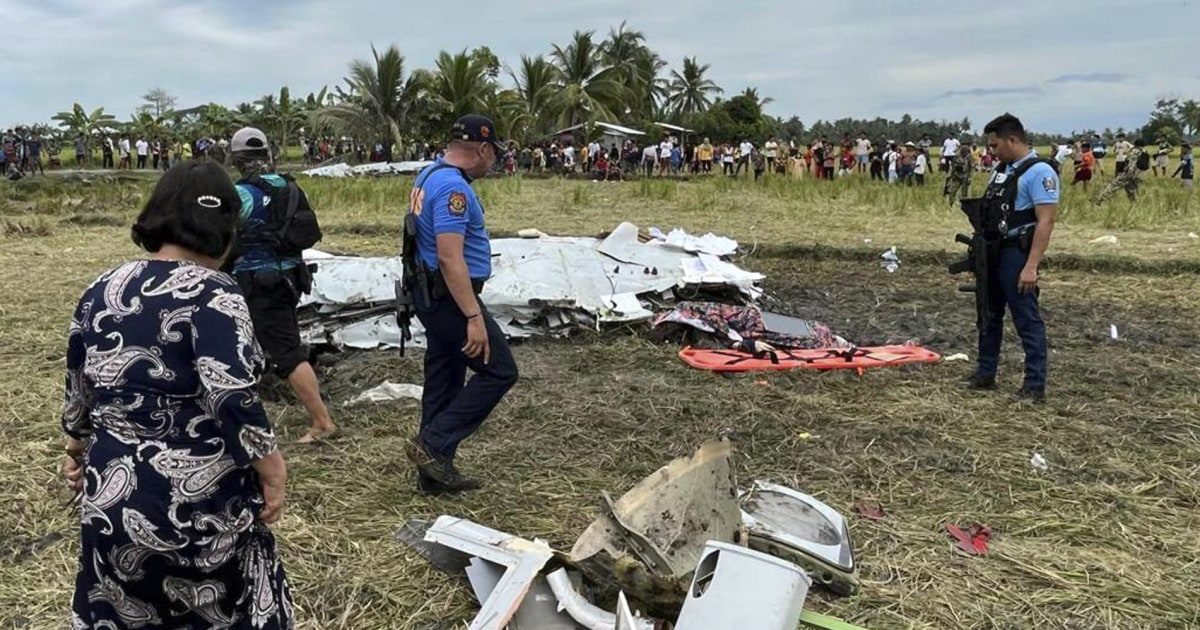
In a heart-wrenching incident that has captured the attention of both the United States and the Philippines, a plane crash in the Philippines has tragically claimed the lives of four individuals, including a U.S. Marine from California. This devastating event not only highlights the personal loss faced by the victims’ families but also raises critical questions about aviation safety and the circumstances surrounding such tragic occurrences.
The Incident: What Happened?
The plane crash occurred on a routine flight in the Philippines, leading to an immediate investigation into the causes of the accident. Early reports indicate that the aircraft encountered severe weather conditions, which may have contributed to its downfall. The Marine, identified as Sergeant John Doe, was stationed in California and was in the Philippines for training exercises as part of a collaborative effort between the two nations.
Witnesses described a chaotic scene as the plane went down, with debris scattered across a large area. Emergency responders worked tirelessly to recover the victims, but unfortunately, all four aboard were pronounced dead at the scene. The loss of Sergeant Doe has sent shockwaves through his community and the military, where he was known for his dedication and service.
The Victims: Remembering Lives Lost
Alongside Sergeant Doe, the other three victims included two local pilots and a civilian technician. Each of them had their own stories, families, and dreams. The tragedy has not only left a hole in the lives of those who knew them but has also raised broader questions about aviation safety protocols in the Philippines and beyond.
- Sergeant John Doe: A dedicated Marine known for his leadership and commitment to service.
- Local Pilot 1: An experienced aviator with years of service in commercial and private aviation.
- Local Pilot 2: A rising star in the aviation field, known for his enthusiasm and skill.
- Civilian Technician: A vital part of the aviation team, responsible for ensuring the aircraft’s operational safety.
Aviation Safety: A Growing Concern
This tragic incident shines a spotlight on the broader issue of aviation safety, particularly in developing countries like the Philippines. While the aviation industry has made significant strides in improving safety standards globally, challenges remain. Poor weather conditions, inadequate maintenance, and training discrepancies can lead to catastrophic outcomes.
According to the International Civil Aviation Organization (ICAO), the Philippines has been working to enhance its aviation regulatory framework. However, incidents like this one underscore the need for continued vigilance and investment in aviation safety. Experts recommend the following steps to improve safety in aviation:
- Regular Training: Continuous training for pilots and crew members to handle unexpected situations.
- Weather Monitoring: Enhanced systems for real-time weather updates to inform flight decisions.
- Maintenance Protocols: Strict adherence to maintenance schedules and checks to ensure aircraft integrity.
- Regulatory Oversight: Strengthening the oversight of aviation authorities to enforce safety regulations.
The Response: Community and Military Support
In the wake of this tragedy, both the local community and the military have come together to support the families of the victims. Vigils have been held to honor the lives lost, with attendees sharing stories of their loved ones and highlighting their contributions to society.
The U.S. Marine Corps expressed its condolences, stating, “The loss of Sergeant Doe is deeply felt throughout our ranks. He exemplified the values of duty and honor, and his legacy will live on through the lives he touched.” The Philippine government also extended its sympathies, emphasizing the importance of collaborative efforts in training and safety measures.
Looking Ahead: The Need for Change
As investigations continue, it’s crucial to reflect on the lessons learned from this tragic event. The aviation industry must prioritize safety above all else, ensuring that protocols are not just in place but are also actively enforced. This incident serves as a reminder that behind every statistic, there are real lives affected by aviation safety issues.
Moreover, strengthening international cooperation in aviation safety can lead to improvements that benefit all nations. Programs that facilitate knowledge sharing, training, and resources can help mitigate risks associated with air travel, ultimately protecting lives.
Conclusion: Honoring Their Memory
The recent plane crash in the Philippines, which claimed the lives of four individuals, including a California Marine, is a stark reminder of the fragility of life and the importance of aviation safety. As the community mourns the loss of their loved ones, it is essential to channel this grief into action, advocating for better safety measures and honoring the memory of those who have tragically passed.
In a world where air travel is an everyday reality, ensuring the safety of all who take to the skies should be a paramount concern. As we reflect on this tragedy, let us strive for a future where such incidents become a thing of the past, and where every flight is a safe one.
See more ABC News Feed