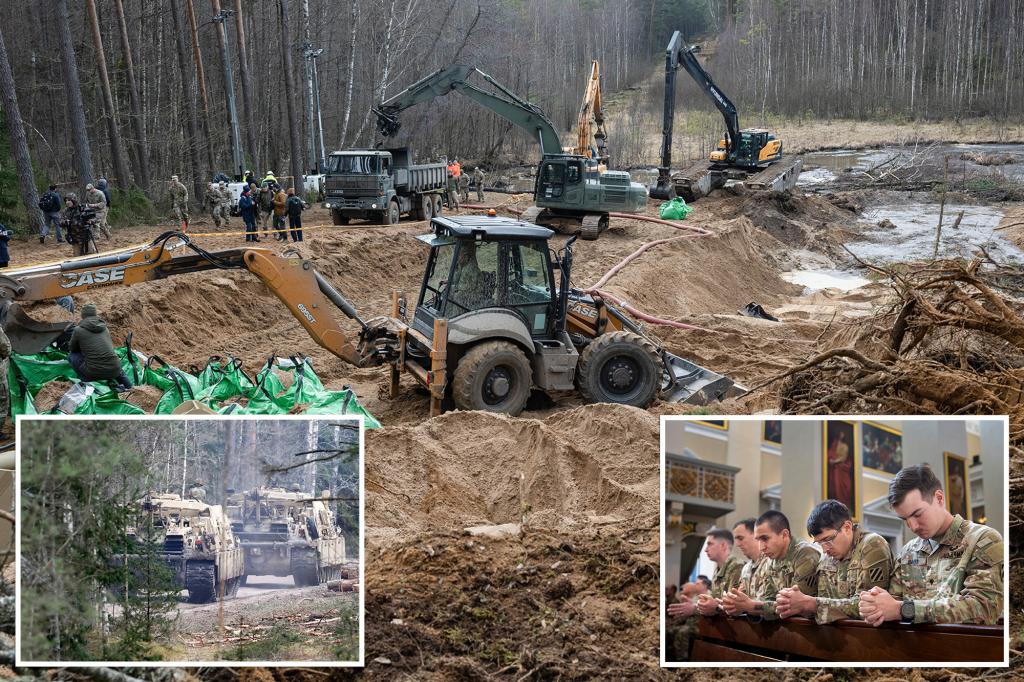
Recovery of Missing US Soldier in Lithuania: Understanding the Circumstances
The recent recovery of the body of a fourth US soldier, who had gone missing during a training exercise in Lithuania, has sent shockwaves through the military community and raised several critical questions. This tragic incident highlights not only the inherent risks involved in military training but also the importance of thorough search and rescue operations in unfamiliar terrains.
The Incident: What Happened During the Training Exercise?
The soldier’s disappearance occurred during an advanced military training exercise aimed at improving joint operational capabilities among NATO allies. Conducted in the dense forests and challenging landscapes of Lithuania, the exercise involved various maneuvers that tested the soldiers’ endurance and teamwork. However, during one of the exercises, the soldier, whose identity has not yet been publicly disclosed, failed to report back to the unit after a designated period. This prompted immediate concern among his peers and commanding officers.
As the hours turned into days, search and rescue operations were launched, involving both local Lithuanian authorities and American military personnel. The search teams utilized helicopters, drones, and ground patrols to comb through the rugged terrain, where visibility was often limited due to inclement weather.
Challenges Faced During the Search Operation
The recovery of the missing soldier was fraught with challenges, primarily due to the geography and environmental conditions of Lithuania. Some of the key difficulties included:
- Dense Forest Coverage: The heavily wooded areas made visibility difficult, complicating search efforts.
- Weather Conditions: Rain and wind impacted both the morale of the search teams and the effectiveness of aerial searches.
- Communication Hurdles: Coordinating between different military units and local authorities required seamless communication, which can be challenging in remote areas.
- Physical Exhaustion: The demanding nature of the search operations took a toll on the physical condition of rescuers, who had to navigate difficult terrain for extended periods.
Community Response and Support
The incident has united not only the military community but also local residents, who offered support in various forms. Community members provided food and supplies to the search teams, demonstrating solidarity and appreciation for the soldiers’ sacrifices. Local authorities also coordinated with military officials to ensure the search operation received the necessary resources.
Furthermore, the psychological impact of such incidents cannot be understated. Military personnel often grapple with stress and emotional turmoil during such searches, as they confront the possibility of loss among their ranks. Support systems, including counseling and peer support networks, became vital during this time.
Insights on Military Training Exercises
Military training exercises are designed to prepare personnel for real-world scenarios, but they also carry inherent risks. It’s essential to understand the following aspects regarding these exercises:
- Realism in Training: Exercises aim to simulate conditions that soldiers may face in combat, which can include navigating challenging terrains.
- Teamwork and Cohesion: Training is often focused on building trust and communication among team members, which are critical skills in high-pressure environments.
- Safety Protocols: Safety measures are typically established, but unforeseen circumstances can still lead to accidents or emergencies.
Lessons Learned from the Incident
The tragic incident surrounding the recovery of the missing US soldier in Lithuania serves as a poignant reminder of the vulnerabilities faced by military personnel during training exercises. As investigations continue into the specifics of what transpired, several key lessons can be gleaned:
- Enhanced Safety Measures: It’s crucial to continuously evaluate and improve safety protocols to minimize risks during training.
- Improved Search and Rescue Training: Ensuring that soldiers receive adequate training in search and rescue operations can potentially save lives in similar situations.
- Open Communication Channels: Establishing clear lines of communication during exercises can help mitigate risks and facilitate quick response times in emergencies.
Looking Ahead: The Future of Military Training in Challenging Environments
As military training exercises continue to evolve, there is a growing emphasis on preparing soldiers for the unique challenges posed by different environments. This incident underscores the need for a balanced approach that prioritizes both rigorous training and the safety of personnel.
In the aftermath, military leaders are likely to review training programs, focusing on integrating more robust safety protocols and enhancing situational awareness among soldiers. Collaborating with local authorities and utilizing advanced technology for search operations will also be crucial in ensuring that similar tragedies are minimized in the future.
A Final Thought: Honoring the Fallen
The recovery of the missing US soldier in Lithuania, while a tragic event, also serves as a testament to the commitment and bravery of those who serve. As the military community mourns the loss, it is essential to remember the sacrifice made by the soldier and to honor their dedication to duty. Support for the families affected and ongoing discussions about improving military training will be critical as we move forward.
In conclusion, while the recovery operation was a challenging endeavor, it reflects the resilience and unity of both military personnel and local communities. The lessons learned will pave the way for safer training exercises in the future, ensuring that soldiers are better prepared for the challenges they may face in both training and combat scenarios.
See more ABC News Feed