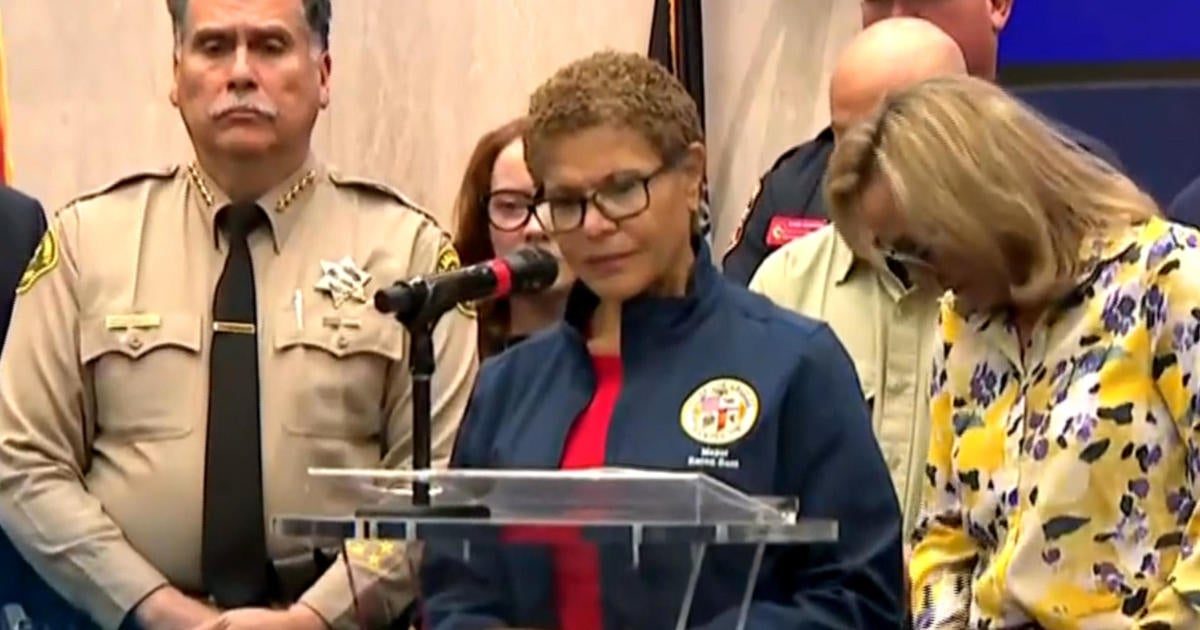
Unraveling the Inferno: Los Angeles Officials Under Fire Amidst Wildfire Crisis
As wildfires rage across Los Angeles, officials are confronted with mounting questions and criticism regarding their response strategies. The escalating crisis raises concerns about preparedness and resource allocation in the face of natural disasters. This article delves into the complexities surrounding the ongoing wildfire situation in Los Angeles, examining the roles and responsibilities of local officials, the challenges they face, and the broader implications of their actions.
The Current Wildfire Landscape in Los Angeles
The wildfire season in California has become synonymous with devastation, particularly in urban areas like Los Angeles. Over the past few years, the frequency and intensity of wildfires have surged, fueled by climate change, drought conditions, and urban sprawl. In recent months, several fires have broken out across the region, displacing thousands and threatening homes, wildlife, and the environment.
Officials in Los Angeles are grappling with a complex set of challenges as they respond to these fires. From the Santa Ana winds that sweep through the region to the rugged terrain that hampers firefighting efforts, the conditions are often less than ideal. The emotional toll on residents, many of whom have lost their homes or possessions, adds urgency to the officials’ response.
Criticism of Response Strategies
In light of the ongoing crisis, Los Angeles officials have come under fire for their response strategies. Critics argue that the city has not adequately prepared for the scale of the wildfires, pointing to a lack of resources and a slow response time as key issues. Key points of contention include:
- Insufficient Resources: Many residents feel that the firefighting resources allocated to the region are inadequate. Fire engines, helicopters, and personnel are often stretched thin, leading to delayed responses to emerging fires.
- Communication Breakdowns: In times of crisis, clear communication is essential. Residents have reported mixed messages regarding evacuation orders and safety protocols, causing confusion and panic.
- Emergency Preparedness Plans: Questions have been raised about the effectiveness of existing emergency plans. Critics argue that these plans need to be revisited and updated to reflect the current realities of climate change and urban development.
Resource Allocation Challenges
One of the most pressing issues in managing wildfires is resource allocation. Los Angeles is a sprawling metropolis with diverse neighborhoods and distinct needs. As fires break out in different areas, prioritizing resources can become a logistical nightmare. Officials must balance the immediate needs of affected communities with the broader goal of protecting the entire city.
Additionally, the financial implications of firefighting efforts cannot be underestimated. Wildfires cost millions of dollars in firefighting resources, evacuations, and recovery efforts. The continuous strain on the city’s budget raises concerns about long-term preparedness.
Community Impact and Resilience
The impact of wildfires extends beyond physical destruction; it deeply affects the community’s mental health and social fabric. Many residents experience anxiety, grief, and uncertainty as they navigate the aftermath of a fire. Community resilience is tested as families face displacement, loss of property, and the challenge of rebuilding their lives.
Building a Resilient Community
Despite the challenges, there are stories of resilience and community support. Neighborhood groups, local organizations, and volunteers have stepped up to offer assistance to those affected by the fires. Initiatives include:
- Evacuation Centers: Local organizations have set up shelters and evacuation centers, providing temporary housing and essentials for displaced residents.
- Fundraising Efforts: Crowdfunding campaigns have emerged to support families who have lost their homes, helping them get back on their feet.
- Community Meetings: Residents are coming together to discuss preparedness strategies and share information, fostering a sense of solidarity.
Looking Ahead: Improving Preparedness and Response
As Los Angeles grapples with the ongoing wildfire crisis, it is clear that a reevaluation of strategies is needed. Officials must prioritize enhancing preparedness and response efforts to protect communities effectively. Here are some suggestions for improvement:
- Investing in Technology: Utilizing advanced technology, such as drones and predictive modeling, can improve firefighting strategies and resource allocation.
- Enhancing Communication Systems: Developing a robust communication strategy that ensures timely and accurate information reaches residents can alleviate confusion during crises.
- Community Education Programs: Educating residents about fire safety, evacuation plans, and emergency preparedness can empower communities to respond more effectively.
Policy Changes for Future Resilience
The need for policy changes is also evident. Local officials must advocate for increased funding for fire prevention and response initiatives. This includes investing in controlled burns, vegetation management, and infrastructure improvements to minimize fire risks in vulnerable areas.
Moreover, collaboration between local, state, and federal agencies is essential for a unified response to wildfires. By sharing resources and expertise, officials can create a more effective firefighting strategy that addresses the complexities of modern wildfire challenges.
Conclusion: A Call to Action
The wildfire crisis in Los Angeles serves as a stark reminder of the vulnerabilities faced by urban areas in the wake of climate change. While officials are under fire for their response strategies, there is an opportunity for growth and improvement. By prioritizing preparedness, enhancing community resilience, and advocating for policy changes, Los Angeles can emerge stronger in the face of future wildfires.
Ultimately, the journey toward a more prepared and resilient Los Angeles is a collective effort. It requires the commitment of officials, community members, and organizations working hand-in-hand to navigate the challenges posed by wildfires. As we look forward, let us strive for a future where communities are not only protected but thrive in the face of adversity.
See more ABC News Feed