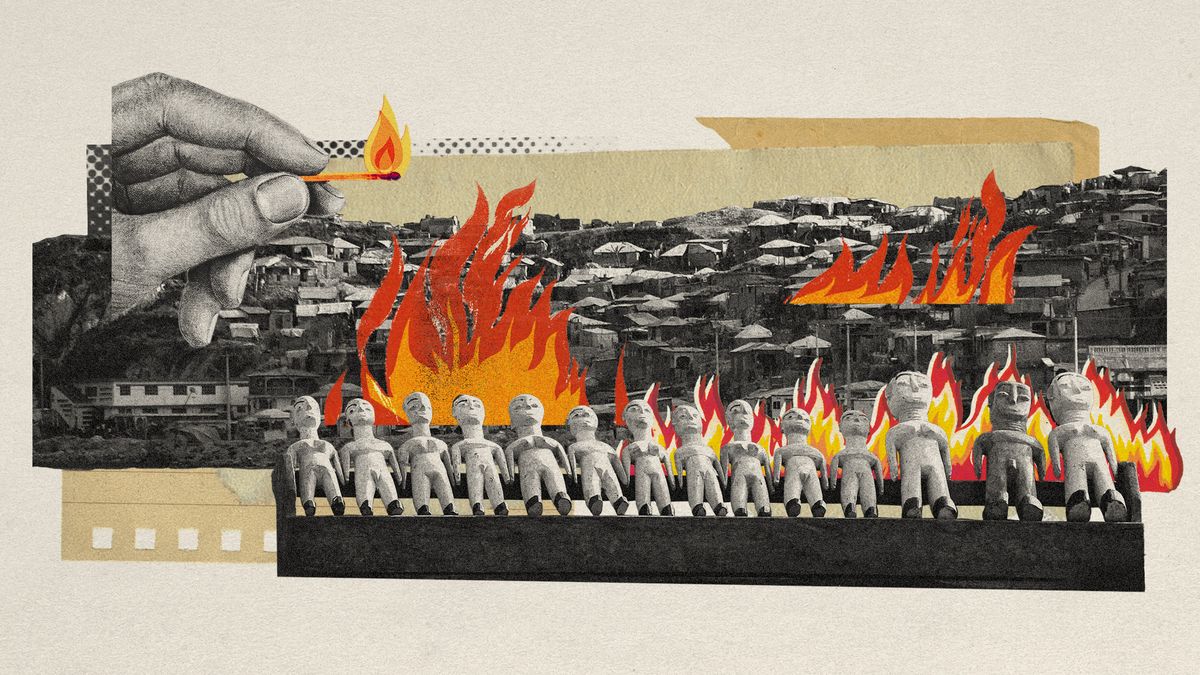
Unmasking the Dark Underbelly: Haitian Gangs and the ‘Witchcraft’ Massacre
The recent wave of violence in Haiti has cast a chilling spotlight on the brutal intersection of superstition, gang violence, and social disintegration. Reports have emerged linking local gangs to the gruesome killings of individuals accused of witchcraft, a practice that has deep roots in Haitian culture but has taken a terrifying turn in recent years. This article explores the alarming trend of witchcraft accusations, the role of gangs in perpetuating these acts, and the broader societal implications of such violence in Haiti.
The Rise of Witchcraft Accusations
Witchcraft in Haiti is often associated with Vodou, a religion that originated from West African traditions and evolved in the Caribbean. Traditionally, Vodou practitioners have been misunderstood and demonized, leading to accusations of malevolence. In recent years, however, these accusations have escalated dramatically, fueled by a combination of superstition, fear, and societal instability.
- Historical Context: Witchcraft accusations date back centuries in Haitian history, often used as a means of scapegoating during times of crisis.
- Societal Factors: The ongoing political turmoil, economic hardship, and lack of law enforcement have created a fertile ground for fear and superstition to thrive.
In the current climate of fear, individuals labeled as witches are not only ostracized but become targets for violence. The increasing number of deaths attributed to such accusations indicates a disturbing trend that has alarmed human rights organizations and local communities alike.
The Role of Gangs in the Violence
Haitian gangs have long been a source of terror, operating with impunity in a country where governmental authority has weakened significantly. The recent connection between these gangs and witchcraft-related killings reveals a new layer of complexity to Haiti’s crisis.
Gang Dynamics and Witchcraft Accusations
Gangs in Haiti have exploited the fear surrounding witchcraft for their gain. They manipulate social tensions, using accusations as a tool to eliminate rivals, intimidate communities, and assert control over neighborhoods. This has led to a series of brutal killings, often carried out publicly to instill fear.
- Territorial Control: By labeling individuals as witches, gangs can justify acts of violence that reinforce their dominance over specific areas.
- Recruitment and Loyalty: Accusations can also serve as a litmus test for loyalty within gang ranks, with members expected to participate in acts of violence to prove their allegiance.
Human rights advocates have raised alarms about these practices, stating that the situation has become a cycle of violence that preys on the vulnerable, particularly women and the elderly, who are often the primary targets of witchcraft accusations.
The Societal Breakdown
The intersection of superstition and violence reflects not only the immediate dangers faced by those accused of witchcraft but also the broader societal breakdown occurring in Haiti. The lack of effective governance and law enforcement has left many communities to fend for themselves, leading to a culture where violence is normalized, and fear reigns supreme.
Impacts on the Community
The implications of this trend are profound:
- Disintegration of Trust: Communities are torn apart as fear of witchcraft leads to distrust among neighbors, often culminating in violent confrontations.
- Psychological Trauma: Survivors of witchcraft violence and their families face long-term psychological effects, including PTSD and anxiety.
- Gender-Based Violence: Women are disproportionately affected, as they are often the ones accused, leading to a broader conversation about gender dynamics in Haiti.
International Response and Human Rights Concerns
The international community has expressed concern over the situation in Haiti, calling for urgent action to address the violence and protect vulnerable populations. Organizations such as Amnesty International and Human Rights Watch have documented the rise in witchcraft-related violence, urging the Haitian government to take decisive steps toward restoring law and order.
Potential Solutions
Addressing the crisis requires a multi-faceted approach:
- Strengthening Law Enforcement: Rebuilding trust in law enforcement agencies and ensuring they have the resources to combat gang violence and protect citizens is critical.
- Community Education: Programs aimed at educating communities about the dangers of superstition and promoting tolerance can help mitigate fear-driven violence.
- Support for Victims: Establishing support systems for victims of violence, including counseling and legal assistance, is essential for healing and recovery.
Conclusion
The alarming trend of witchcraft-related violence in Haiti, exacerbated by the influence of gangs, highlights a profound societal breakdown that demands immediate attention. As accusations escalate into brutal killings, the need for a collaborative response involving local communities, human rights organizations, and international partners becomes increasingly critical. Without concerted efforts to address the root causes of this violence and to protect the vulnerable, Haiti risks descending further into chaos, where fear and superstition overshadow the fundamental rights and dignity of its people.
See more ABC News Feed